One goshala. Four compounding outputs.
Animal welfare, compost, organic food, and rural income are not separate programmes. They are four stages of one accountable cycle—each output funding the next.
Four stages. One compounding system.
Goshala Operations
Compost & Biogas
Organic Farming
Rural Livelihood
Goshala waste is processed into certified organic compost and biogas on-site. Zero discharge to rivers. Carbon output tracked and offset against parikrama-route restoration targets.
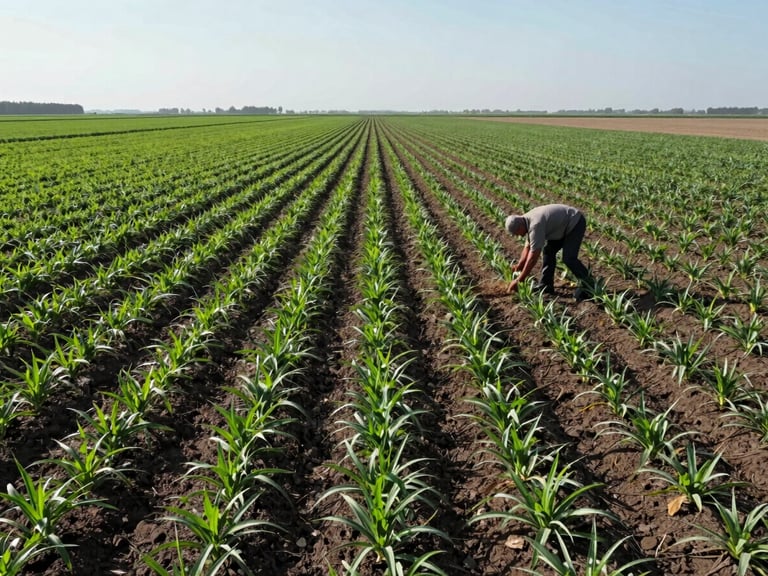
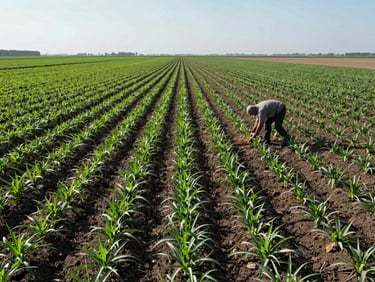
Compost applied to partnered farm plots in adjacent rural communities. Soil health data recorded season-on-season. Produce sustains local families and pilgrims on active parikrama routes.
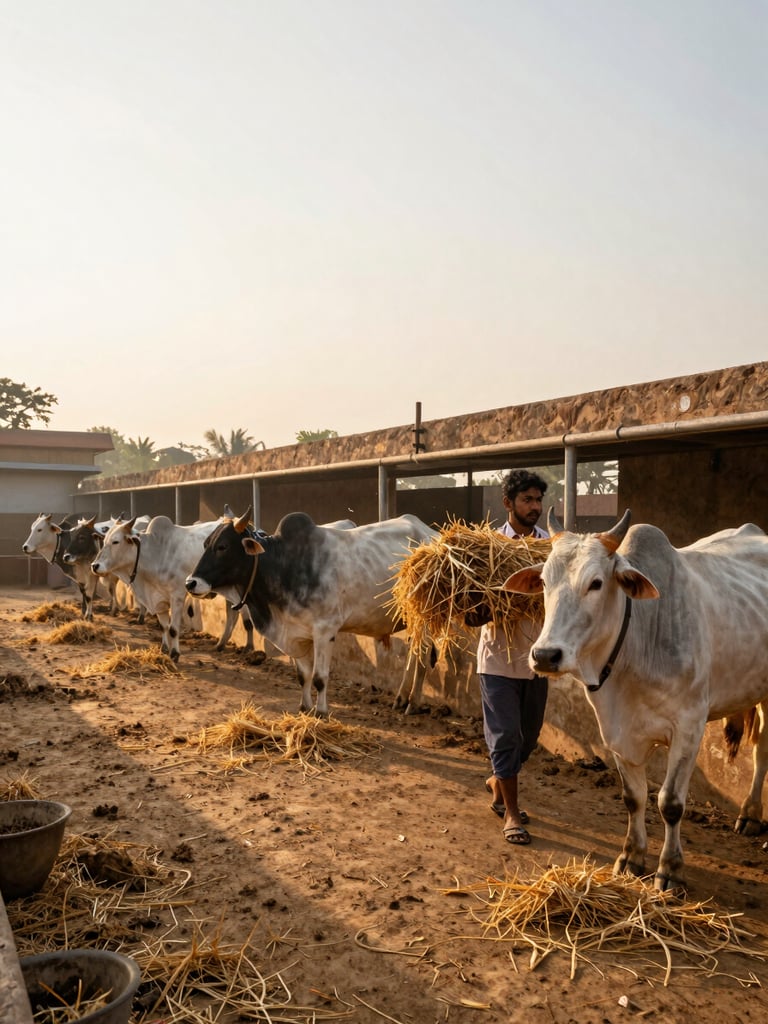
Indigenous cow breeds housed, fed, and cared for under documented welfare protocols. Daily operations produce both milk and the organic waste that drives every downstream stage.
Farm income returns to goshala maintenance and parikrama stewardship employment. Each household enrolled is a named entry in the foundation's public accounts—not an aggregate statistic.
Numbers on this page, not a brochure.
Across active goshala sites: 340+ rural households enrolled in compost-linked farming. 12 tonnes of organic compost produced monthly. Parikrama-route maintenance employing 80+ local workers in documented roles.
Every figure is drawn from field records, not projected targets. Annual accounts are available to institutional partners on request.
The cycle runs. Stewards are welcome.
CSR partners, government bodies, and individual donors can enter the model at any stage—goshala maintenance, compost infrastructure, or farm-plot sponsorship. Each entry point is accountable and auditable.