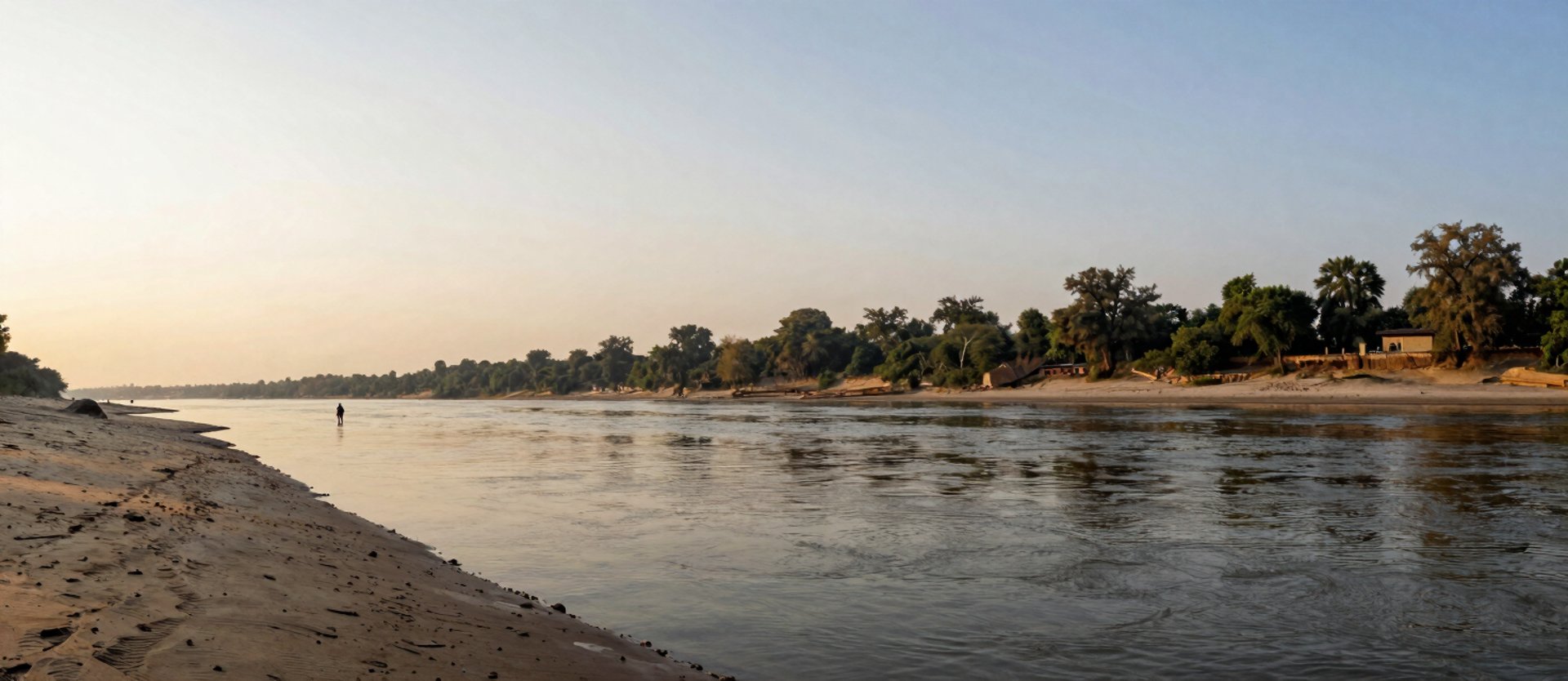
— Narmada Parikrama Rejuvenation

Hundreds of kilometres. One mapped, logged mission.

The Narmada corridor is not a single cleanup event—it is a zone-by-zone operation tracking waste tonnage, river health indicators, and carbon reduction per mission cycle.
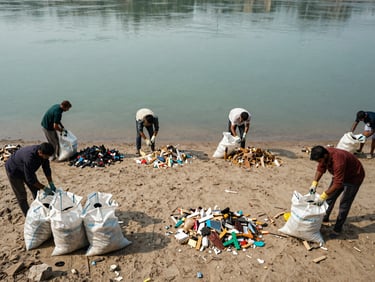
Overhead wide-angle documentary photograph of a Narmada river cleaning mission in progress, workers on a sandy bank sorting debris into labelled piles, natural daylight, river visible in the background, worn gloves and collection sacks in the foreground
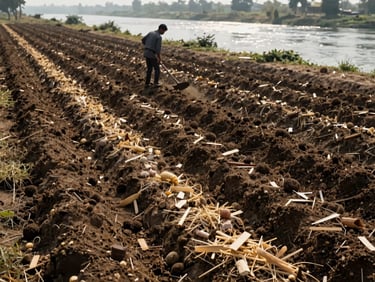
Ground-level documentary photograph of organic compost rows on a field adjacent to the Narmada corridor, goshala-sourced material visible in rows, natural morning light, a worker with a hand tool in the mid-ground, river glinting in the far background
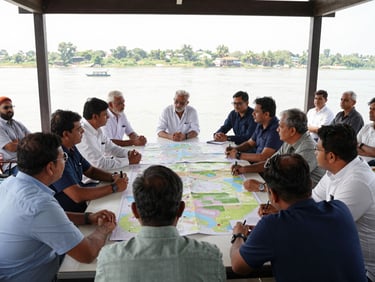
Wide documentary photograph of a cross-state coordination meeting at a riverside location, officials and foundation members seated at a table with maps spread out, natural daylight through open-air structure, Narmada water visible in the background
/ Field-logged, zone by zone

Every mission cycle is measured, not stated.

River Bank Clearing
Carbon Mitigation Cycle
Cross-State Coordination

Zone-mapped waste removal

Organic farming, waste to soil

Government and institutional operations

Each bank segment is assigned a zone code. Waste tonnage collected and category breakdown—plastic, organic, construction debris—is logged per mission and published.

Goshala-sourced compost replaces chemical fertiliser on corridor farmland. Carbon offset per cycle is calculated against a documented baseline, reported after each mission phase.

Active coordination with state bodies across Madhya Pradesh, Maharashtra, and Gujarat. Institutional MoUs govern zone assignments, progress reporting, and shared resource deployment.

▸ Open to co-stewardship

The corridor is long. The work is shared.

Government bodies, CSR teams, and environmental institutions are invited to adopt zones, fund mission cycles, and co-author the Narmada's measurable recovery—not as donors, but as stewards.